
Read This If You Like Being Busy
You might not be avoiding rest. You might be chasing recognition.

“Describe what a normal day looks like for you,” the doctor said.
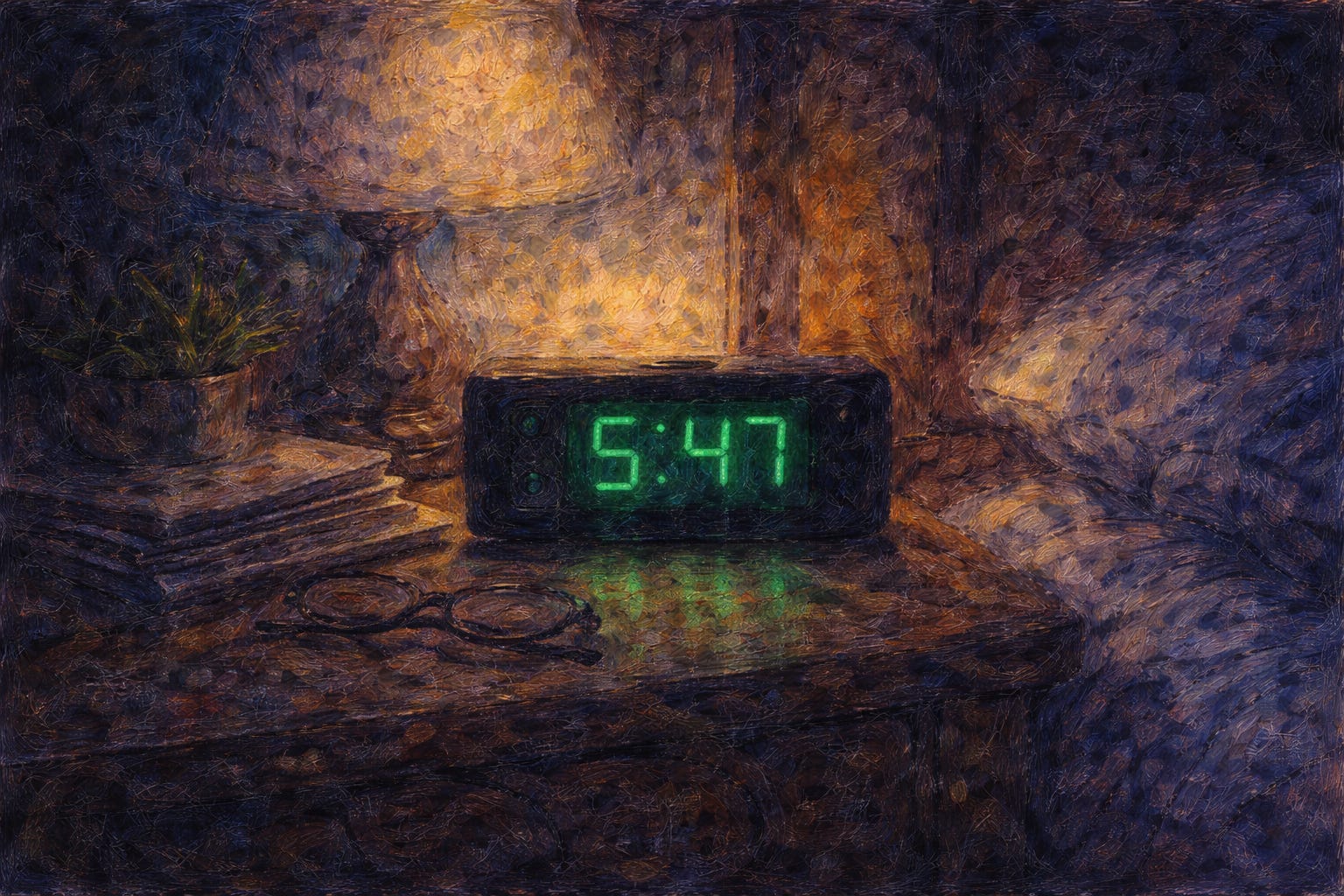
I proceeded to outline my routine. I woke for work around 4:30am, and finished my second job around 7pm. I came home to prepare for the next day, went to sleep, then did it all over again six or seven days per week.
“And do you think it’s a problem that you’re always busy?” she asked.
My face suddenly felt hot. “Not really,” I snapped.
She let my answer echo in the small white room. “All right,” she said. “Well, your blood pressure looks OK now. You’re not having a stroke. Go home and rest.”
The rest of this interaction was normal to me. Over the last two years, I had gone to the emergency room multiple times for the same symptoms. I went that day because my blood pressure was 184/121. Each visit was expensive—and anticlimactic. They rushed me to the front of the line based on symptoms (chest pain, blood pounding in my ears) before diagnosing me with anxiety and sending me home to rest.
For some reason, that doctor’s question about being busy stuck with me. Quite honestly, it pissed me off.
Being busy, at that point in my life, was what I aimed to be in the world. It was damn near self-identifying. Being busy meant I was out in the world doing things. Making stuff happen. Growing and achieving my list of audacious, if imprecise, goals.
How dare she challenge that?
Looking back now, it’s easy to dismiss that worldview as ambitious twenty-something logic. I’m not the first ambitious young person to discover Gary Vaynerchuk. But busy was, and still is, a moniker I hold close to my chest.
The antidote, gurus tell us, is always simple: rest. Remind yourself that busyness is not the badge of honor you think it is. Doing so, they say, will actually make you more productive!
That may all be true—but it ignores something fundamental about busyness, particularly regarding people who say they like being busy:
Being busy is a great way to gain recognition.
Back then, I was constantly on the go. People noticed and gave me kudos. I interacted with many people, and always had a story from another place to share. The moment I took a few days off, the hamster wheel stopped. It felt like I dropped off the map. Once I built my reputation around being everywhere all the time, my identity was wrapped into staying in high gear.
That doctor’s question hit a nerve because subconsciously I knew I was using busyness as a strategy—not for avoidance, but significance.
On the car ride home from the hospital, I thought about a particularly long day earlier that spring when I got from work after midnight. Because I had nothing prepared for the next morning, it took another hour before I could go to sleep for the next day—which began in less than four hours.
I zombie crawled through the first several hours that morning. Driving to my second job around 10am, I realized: I have absolutely nothing left to give. This realization hit me so hard I began to cry. This moment was painful, I realize now, because it was the first time working my ass off blindly—as a strategy—started to reveal its limitations. My candle ran out of wick.
But did I call in sick? No. Did I learn my lesson right away and take time off? No chance. I sucked it up and grinded through several months before my body finally said enough’s enough.
Being told that being busy will burn you out never did much for me. The pros outweighed the cons, frankly.
What did help was something I started doing years later: asking myself, what do I gain from being busy?
Money, significance, whatever it is. Being real about what I’m getting from all that hard work and things I’m sacrificing, such as my health, was my real first step towards seeking balance.
I used to love telling people I’m busy. I’d tell you and anyone I met. Now, I see it as a sign that there’s an itch somewhere that’s not being scratched—and perhaps that I’ve lost connection to myself.